

From new pedestrian bridges and trailhead gateways to mixed-use trail-adjacent developments, communities across the state are embracing trails not just as recreational assets, but as engines of local growth and connection. This is more than a trend. It’s a statewide recognition that greenway trails are critical to economic development, sustainable transportation, and vibrant placemaking.
Enter: Trail-Oriented Development
PTNY is working to advance this vision through an emerging framework called Trail-Oriented Development (TrOD).
Much like Transit-Oriented Development emphasizes walkable communities near transit hubs, TrOD focuses on compact, mixed-use development along off-street, multi-use trails like the Empire State Trail. It’s an approach that aligns land use, site design, and public space with the needs of non-motorized users—cyclists, walkers, runners, and even paddlers. TrOD is where outdoor recreation, smart growth, and community revitalization intersect.
The goal? To create interconnected, resilient communities where New Yorkers and visitors alike can live, work, and play—on foot and by bike—all while strengthening local economies and promoting climate-friendly development.
But TrOD doesn’t happen by accident. It requires intentional planning, community engagement, and tools to support local leaders and developers.
PTNY Leading the Charge
We’re taking several major steps to help make Trail-Oriented Development a reality:
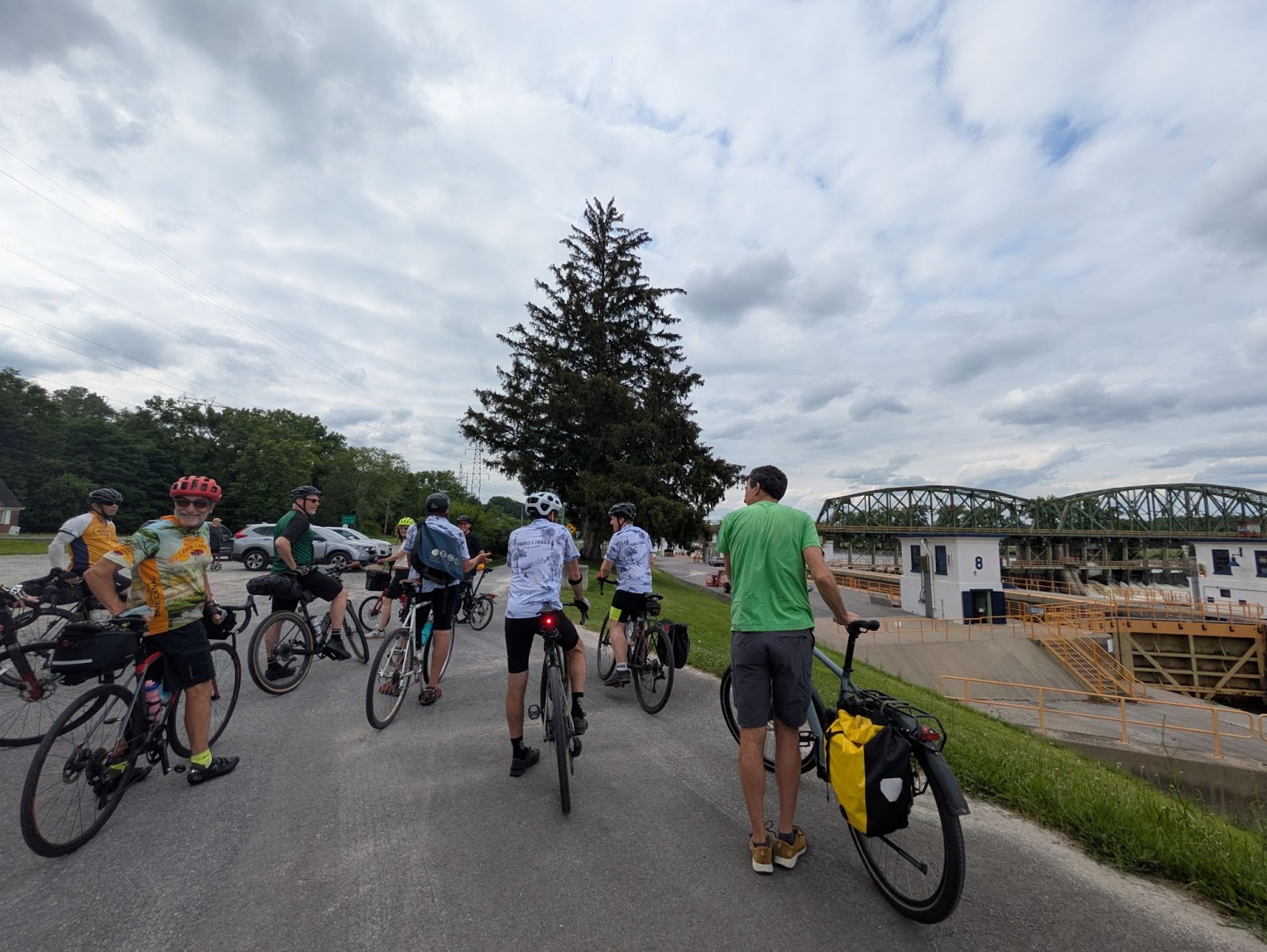
- This spring, we hosted a Study Tour of the Mohawk Valley, convening transportation planners and advocates , architects, and local leaders to explore how the Erie Canalway Trail can serve as a spine for revitalization in historic towns along its route.
- Later this summer, we’ll launch a new economic impact study of the Empire State Trail, exploring how communities are benefiting already—and how we can amplify those benefits.
- We’re developing model zoning strategies and compiling best practices from across the country to help communities make the most of their trails.
Trail-Oriented Development in Action
The exciting news? TrOD is already happening.Across the state, DRI and NY Forward projects are investing in the vision:
- In Tonawanda, major investments will improve the Blueways and Greenways Intermodal Hub, replace a key pedestrian bridge along the EST, and enhance waterfront access
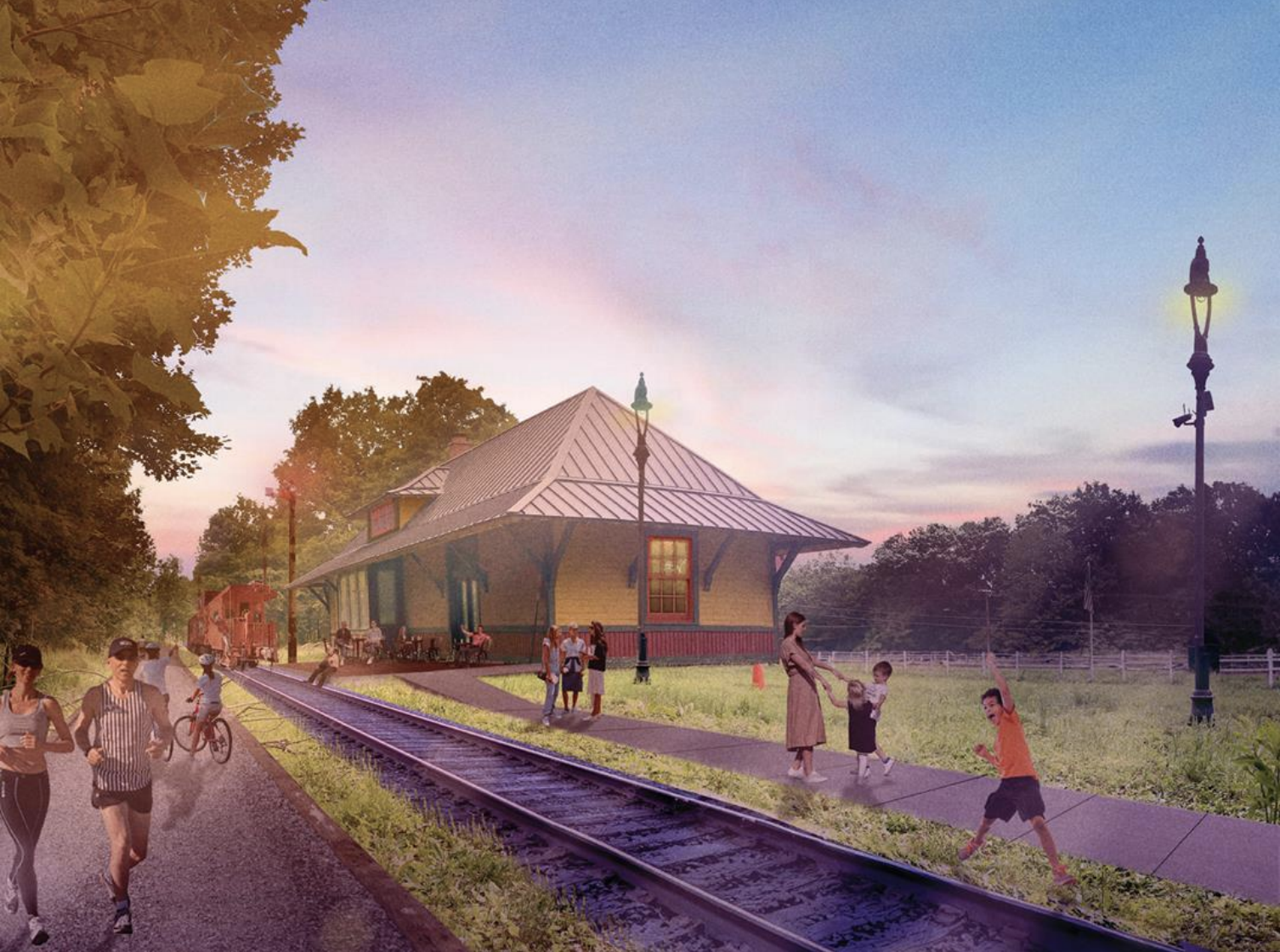
- Aurora’s West Falls Hamlet will see a restored 1917 train depot transformed into trailside commercial and lodging space, along with a new 1.5-mile extension of the Erie Cattaraugus Rail Trail.
- Macedon is highlighting the Erie Canal and EST as key connectors for its “Historic Hamlet Business District,” linking jobs, housing, and recreation through its trail infrastructure.
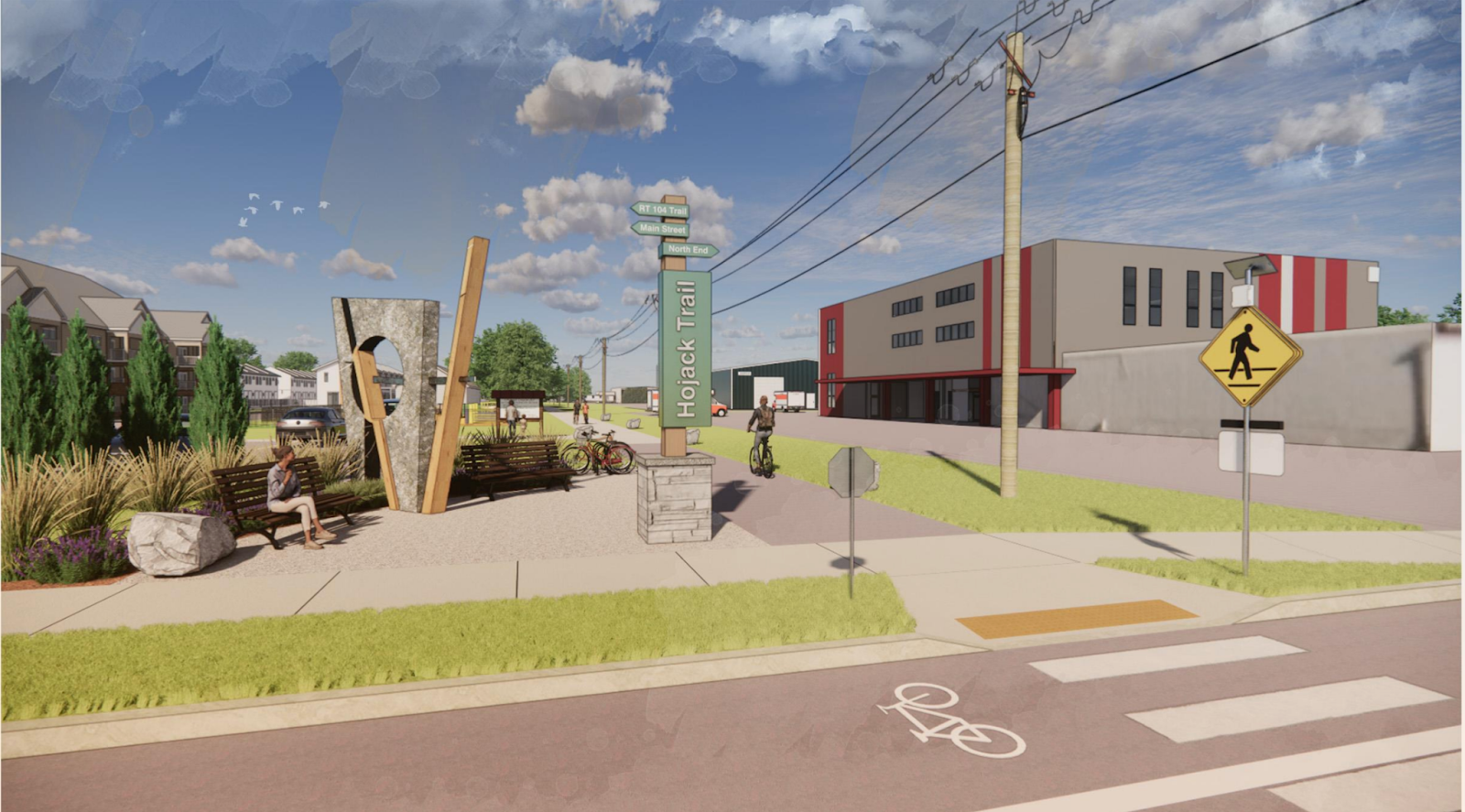
- Webster is investing in a Hojack Trail Gateway to improve safety and create a vibrant entrance at the intersection of the trail and North Avenue.
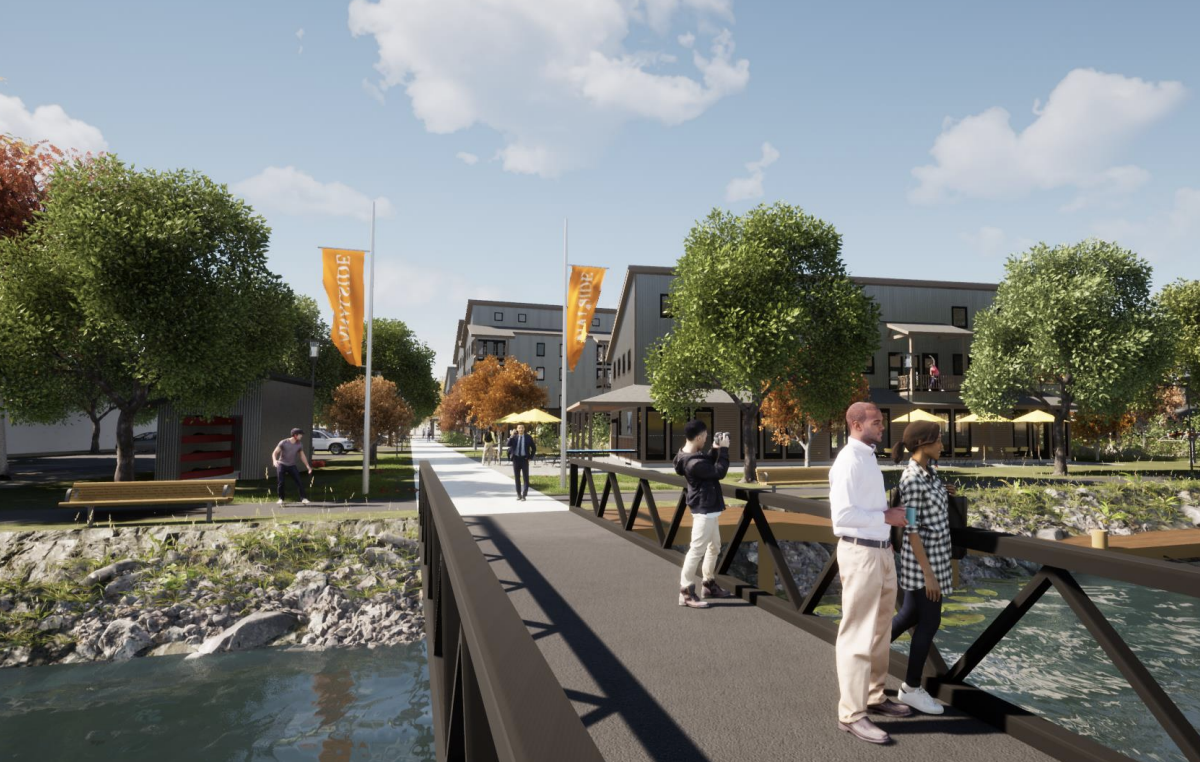
- Canastota is embracing mixed-use trailside development with its new Canalside Pocket Neighborhood—a project combining retail, housing, and public space steps from the Erie Canal—and enhancing walkability along North Canal Street.
- Hammondsport is creating a cyclist-friendly café in a former service station, transforming a vacant space into a community hub.
- Groton is investing in the Owasco Inlet Trail to connect key parts of the village with a new pedestrian bridge, dog park, and scenic viewing platforms.
- In Roxbury, the Catskill Scenic Trail will be expanded and connected to the historic train depot to draw more visitors downtown.
- Schuylerville is reconnecting the historic Old Champlain Canal under Ferry Street, while improving wayfinding for Empire State Trail users and promoting local businesses.
- And Hoosick Falls is uniting and enhancing its Hoosic River Greenway Trail, beautifying the corridor and marketing it as a tourism draw.
A New Chapter for Trails in New York
These projects represent a collective shift: communities across New York are no longer treating trails as recreational afterthoughts. They’re leveraging them as foundations for economic vitality, environmental sustainability, and community health.
Through Trail-Oriented Development, PTNY is helping communities take the next step—by turning trail access into trail-based living.
We invite planners, municipal leaders, business owners, and advocates to join us in this effort. Let’s harness the full potential of New York’s trail networks—not just as places to recreate, but as places to build the future.
Stay tuned for updates on our economic impact study and upcoming planning resources. To learn more or get involved, visit ptny.org.