
There’s something special about seeing the Hudson Valley from a bike.
On Cycle the Hudson Valley 2026, we spent five days riding more than 200 miles along the Empire State Trail, passing through communities, parks, historic sites, and some of the most beautiful landscapes in New York. Along the way, we got a firsthand look at something our new Economic Impact of the Empire State Trail study puts into numbers: trails are a powerful part of local economies.
The eight counties along this year’s route see an estimated 5.5 million Empire State Trail visits each year, generating about $1.08 billion in annual economic output.
Here’s a closer look at the communities we rode through.
Rensselaer County
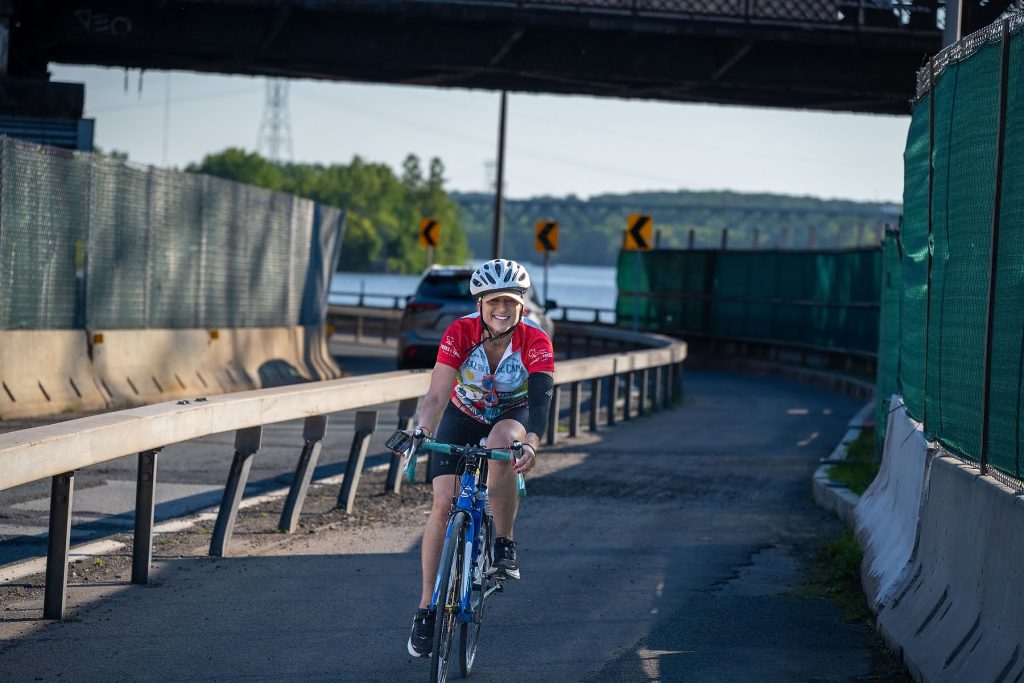
Our ride began in Troy, where the Empire State Trail includes 16.6 miles and sees an estimated 178,230 visits each year. Those visits generate about $33.4 million in annual economic output.
From the Capital Region, the trail gives riders a way to head south into the Hudson Valley while bringing visitors into the communities along the way.
Columbia County
The trail continues through 40.2 miles of Columbia County, the longest stretch among the counties on our route. About 215,370 visits happen here each year, generating an estimated $38.2 million in economic output.
Riding through Columbia County, it’s easy to appreciate how trails can connect rural communities and give visitors a reason to slow down and explore.
Ulster County
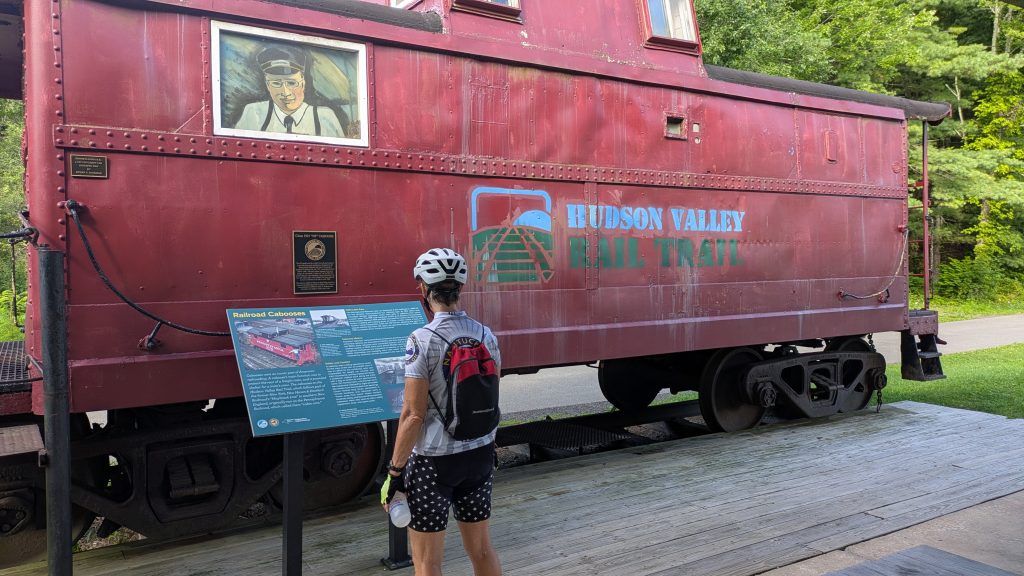
In Ulster County, the Empire State Trail covers 31.8 miles and attracts approximately 398,180 visits annually. Those visits generate about $74 million in economic output.
This was one of the most memorable parts of the ride, with highlights including the Wallkill Valley Rail Trail and Rosendale Trestle. The county’s trail network shows how a recreational destination can also become an important economic asset.
Dutchess County
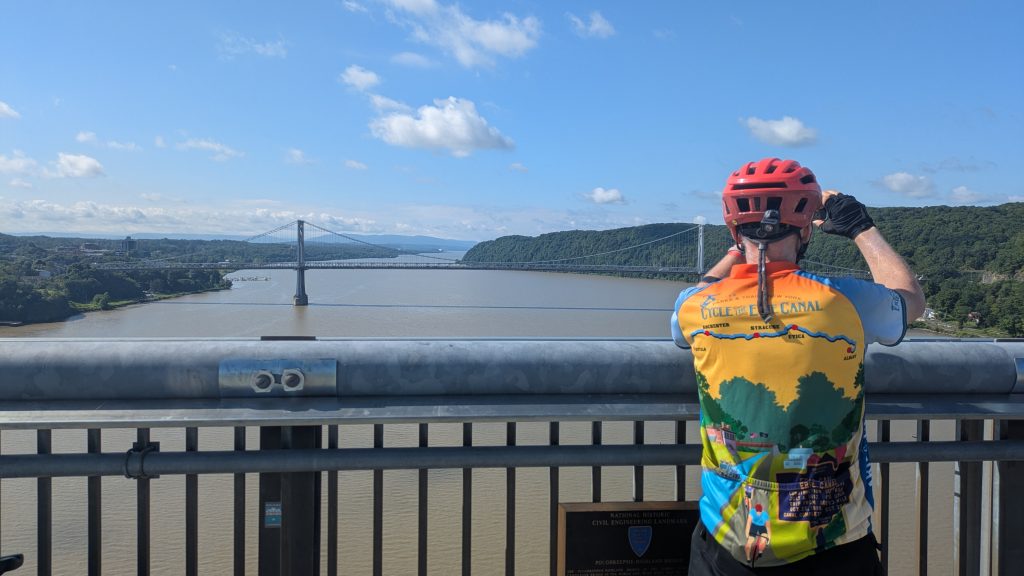
We continued through 39 miles of trail in Dutchess County, where annual trail visits total about 415,780. That activity generates an estimated $74.8 million in economic output.
The Walkway Over the Hudson was a highlight of the ride and a great example of how trail infrastructure can become a destination all its own.
Putnam County
Putnam County has 20.8 miles of Empire State Trail and sees an estimated 244,710 visits each year. Those visits generate about $45.5 million in annual economic output.
For our riders, Putnam was also a place to stop and refuel. It served as a good reminder that trail users contribute to local economies simply by spending time in the communities along the route.
Westchester County
The trail continues for 34.9 miles through Westchester County, attracting nearly 648,000 visits annually and generating an estimated $126.6 million in economic output.
The landscape feels different here, but the role of the trail is much the same. It gives people a way to move through the region while connecting them with the communities around it.
Bronx County
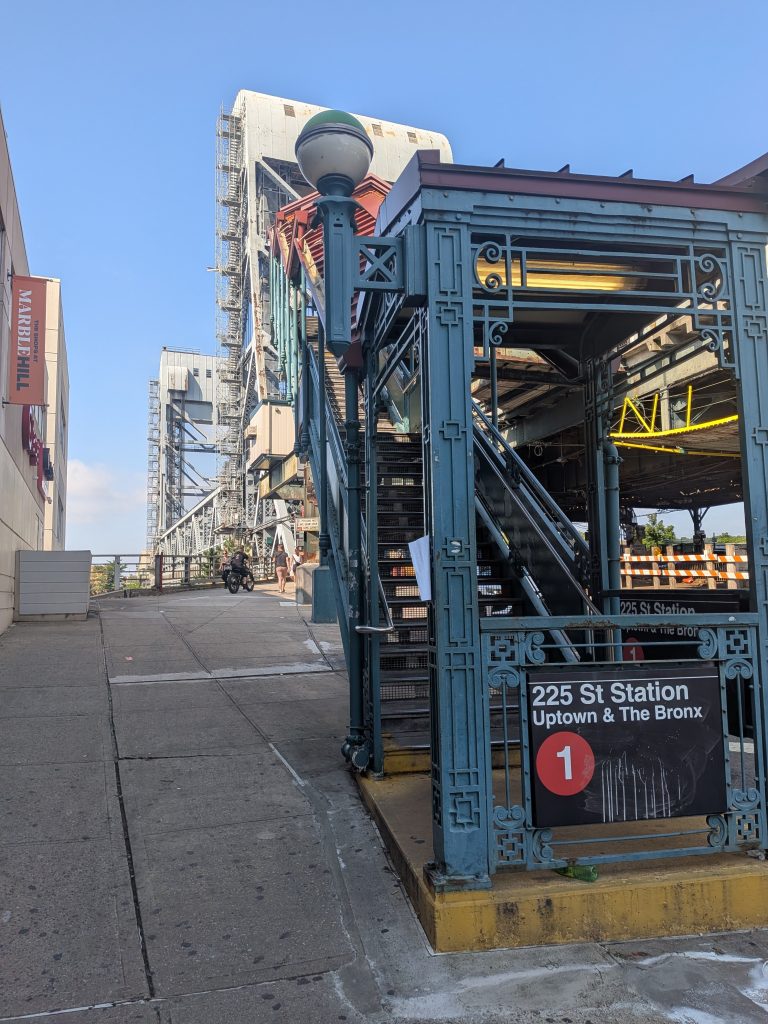
By the time we reached the Bronx, we were in a very different setting. The Bronx has just 3 miles of Empire State Trail, yet those miles attract an estimated 524,300 visits each year and generate about $100 million in annual economic output.
It’s a great example of how trail mileage doesn’t tell the whole story. In a densely populated area, even a short stretch of trail can serve a huge number of people.
New York County
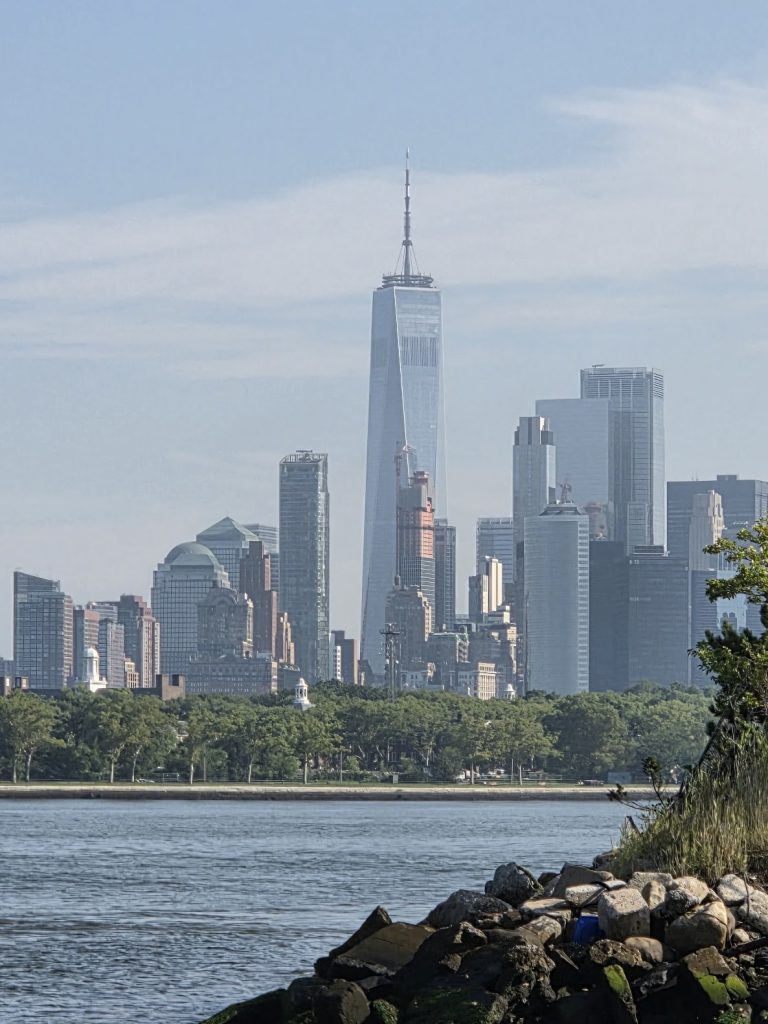
The final stretch of the ride brought us into Manhattan, where the scale of trail use really comes into focus.
New York County has 14.9 miles of Empire State Trail and nearly 2.94 million annual visits. Those visits generate an estimated $587.3 million in annual economic output—more than half of the total generated across the eight counties on our route.
After five days on the trail, ending in New York City was a pretty remarkable way to see just how connected the Empire State Trail really is.
The bigger picture
The county numbers help tell a story we experienced firsthand during Cycle the Hudson Valley.
A trail can bring people into a community. Those visitors can support local businesses, stay overnight, stop for a meal, or just spend a little more time exploring. And the benefits continue long after a bike tour is over, with residents using the trail every day for recreation and transportation.