

Juneteenth marks the day in 1865 when Union soldiers arrived in Galveston, Texas, and announced the end of slavery to the last remaining enslaved people in the Confederacy. More than 150 years later, it remains a time to celebrate freedom while also reflecting on the long and difficult path toward it. It gives us an opportunity to interact with our past and visit local historic sites.
New York’s Connections to Abolition History
New York played an important role during the abolition movement as a place of activism, refuge, and passage. Communities across the state became part of broader networks that helped people escaping slavery continue north toward freedom and, for many, onward to Canada.
Many familiar figures in American history left lasting impacts here. Harriet Tubman led dozens of enslaved people to freedom through the Underground Railroad and later made Auburn her home, where she continued her advocacy and humanitarian efforts. In Rochester, Frederick Douglass published The North Star, using the newspaper as a platform to challenge slavery and promote civil rights. Their work, alongside countless others across the state, helped make New York an important center of abolitionist activity.
Places that keep history alive
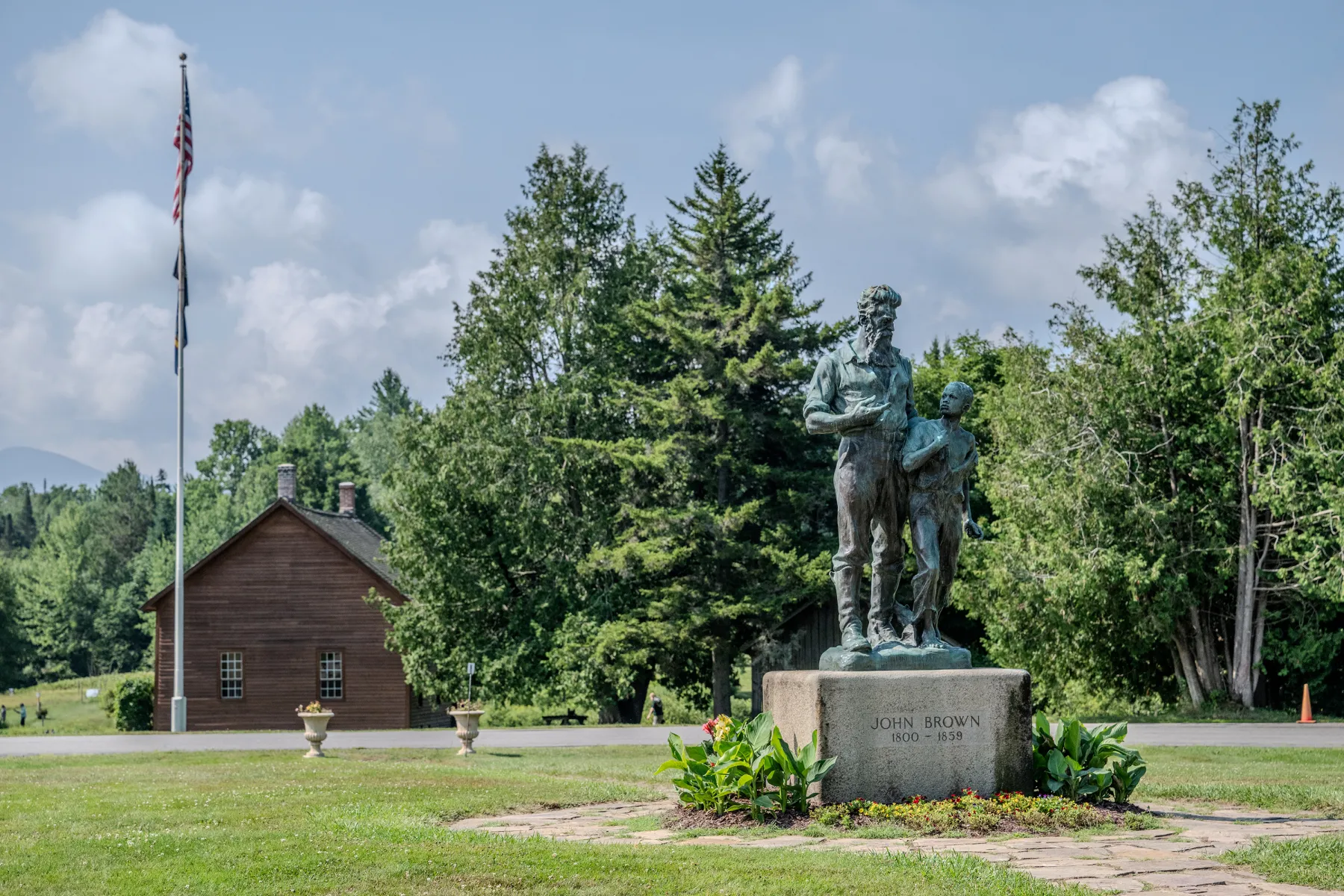
These stories can still be explored across New York today. Visitors can walk through the Harriet Tubman Home in Auburn, where she spent much of her later life, or visit John Brown Farm in Lake Placid, which preserves the story of one of the country’s most influential abolitionists.
Supporting historic sites also means helping preserve the stories connected to them. Places hold context, and preserving them helps ensure the people, movements, and moments that shaped our history continue to be remembered and shared.
Visit the New York State Parks event calendar for free Juneteenth events later this month, including a Juneteenth Jubilee at Valley Stream State Park and a Children’s Juneteenth Chorus at John Brown Farm State Historic Site.
Following the Footsteps of History
The 2026 Freedom Walk is a 750-mile commemorative journey retracing Underground Railroad routes from Maryland to Canada. This walk is open for participants to join in at different points in the trip or can be supported through local solidarity events. First retraced by Anthony Cohen in 1996, the route was created to honor and better understand the experiences of those seeking freedom.
Today, through the Menare Foundation and its community partners, people can continue retracing that journey during the nation’s 250th commemoration. Follow along week by week through the event calendar and learn more about the communities, landscapes, and stories connected to the route.
History is not always confined to museums or textbooks. Sometimes it exists in the places around us and the paths people traveled before us. The Freedom Walk offers a chance to reflect on the resilience and determination of those who sought freedom while honoring the importance of preserving these stories for future generations.
If you want to discover more Historical sites check out the Network to Freedom Map.