
As we take a look back on the last decade of Park and Trail Partnership Grant projects, we’re reminded that it’s the people behind these sites that make them so special.
Out of the over $12.1 million awarded, $2.1 million of those funds have helped to create 26 permanent staff positions at our parks, historic sites, and public lands throughout the state… with more on the horizon.
Hiring staff, especially a first employee for a new organization, is often a catch-22. They need funding to support a permanent position, but don’t have anyone on staff to raise those funds. That’s where Park and Trail Partnership Grants come in. Since 2015, we’ve been providing small organizations an initial boost to get going. Many grant proposals have a component in the work plan that helps create a foundation for a solid cash flow to not only fund the organization, but the position itself for the future.
What it Takes
These professional development grants require a commitment to create institutional stability. The award covers two years for salary, benefits, training, and other necessities. Much scrutiny is conducted by our grant review team to ensure the proper means are established to sustain the position once the funding has been exhausted. Not only are these grants a 2-year undertaking for the awardee, but they also commit to a 20% cash match from private sources (compared with 10% for other categories). The first 8 rounds of completed professional development grant projects had leveraged over $550,000 in privately matched funds to get these new positions off the ground.
The Partnership Roadmap
To guarantee the position not only benefits the organization, but also aligns with the needs and goals of the site, grantees must submit a Partnership Roadmap as part of their interim report after the first 12 months. The awarded organization is required to meet with staff from their partner agency in order to build a foundation for regular discussion between the organization and agency staff, facilitate the synchronization of the goals of the organizations and those of the agency, and provide a roadmap for an ongoing collaborative partnership. They consider how the position meshes not only with the needs and strategy of the organization, but just as importantly with the site’s master plan. It addresses questions like: “Does it advance the shared goals of the organization and the public resource?” and “What markers will be used to measure and evaluate success?”
Building Leadership
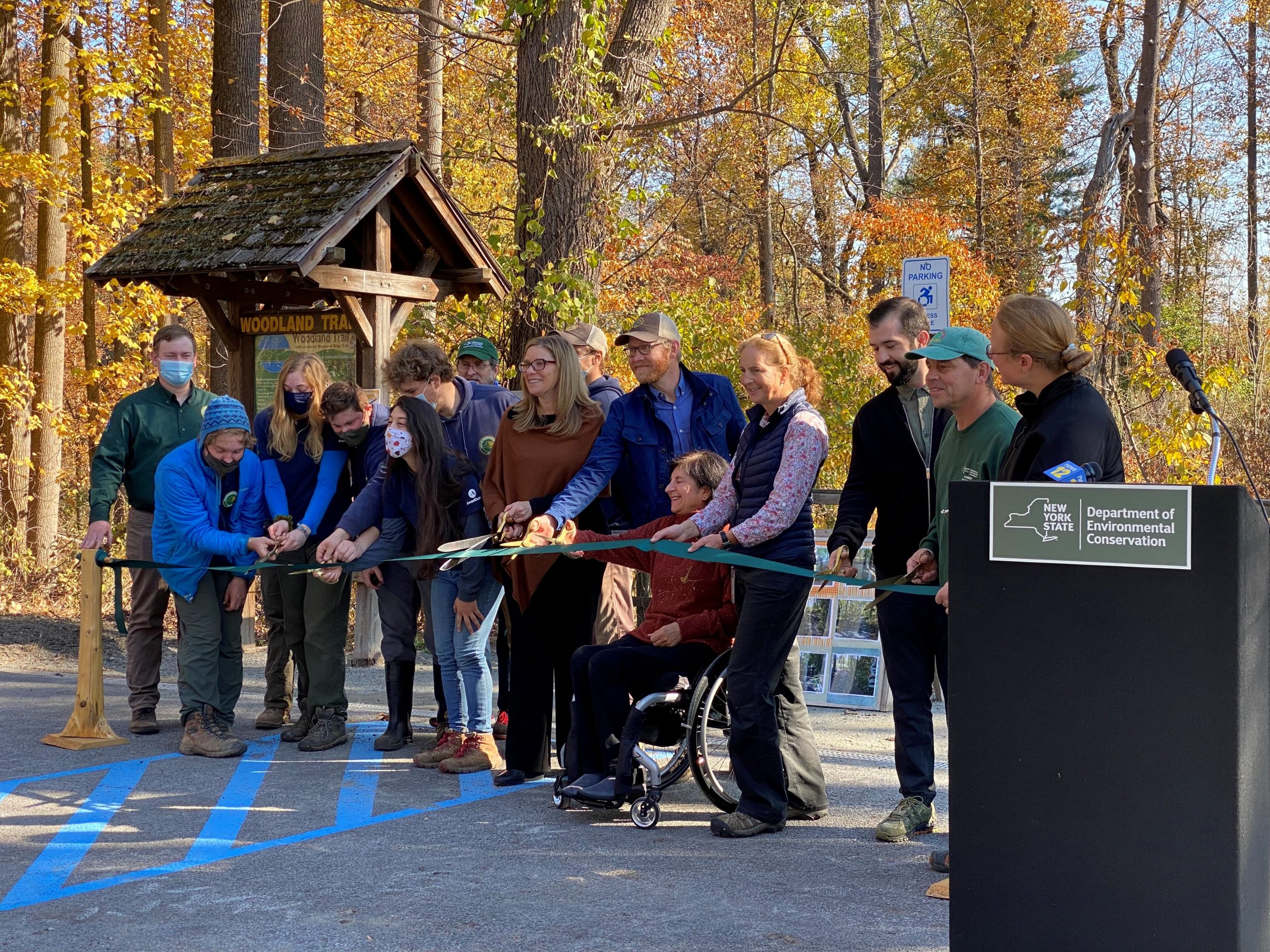
Out of the 26 positions funded by these grants over the past 11 rounds, nearly half of them have created Executive Director and Development roles for the organization. Friends groups stewarding Knox Farm State Park outside of Buffalo, John Browns Farm in Lake Placid, Stony Kill Environmental Education Center, and the newly opened Adirondack Rail Trail are benefiting tremendously from the leadership demonstrated by the Executive Director positions created with the help of PTPG funds–leadership roles that were previously conducted on a volunteer basis.
Fundraising
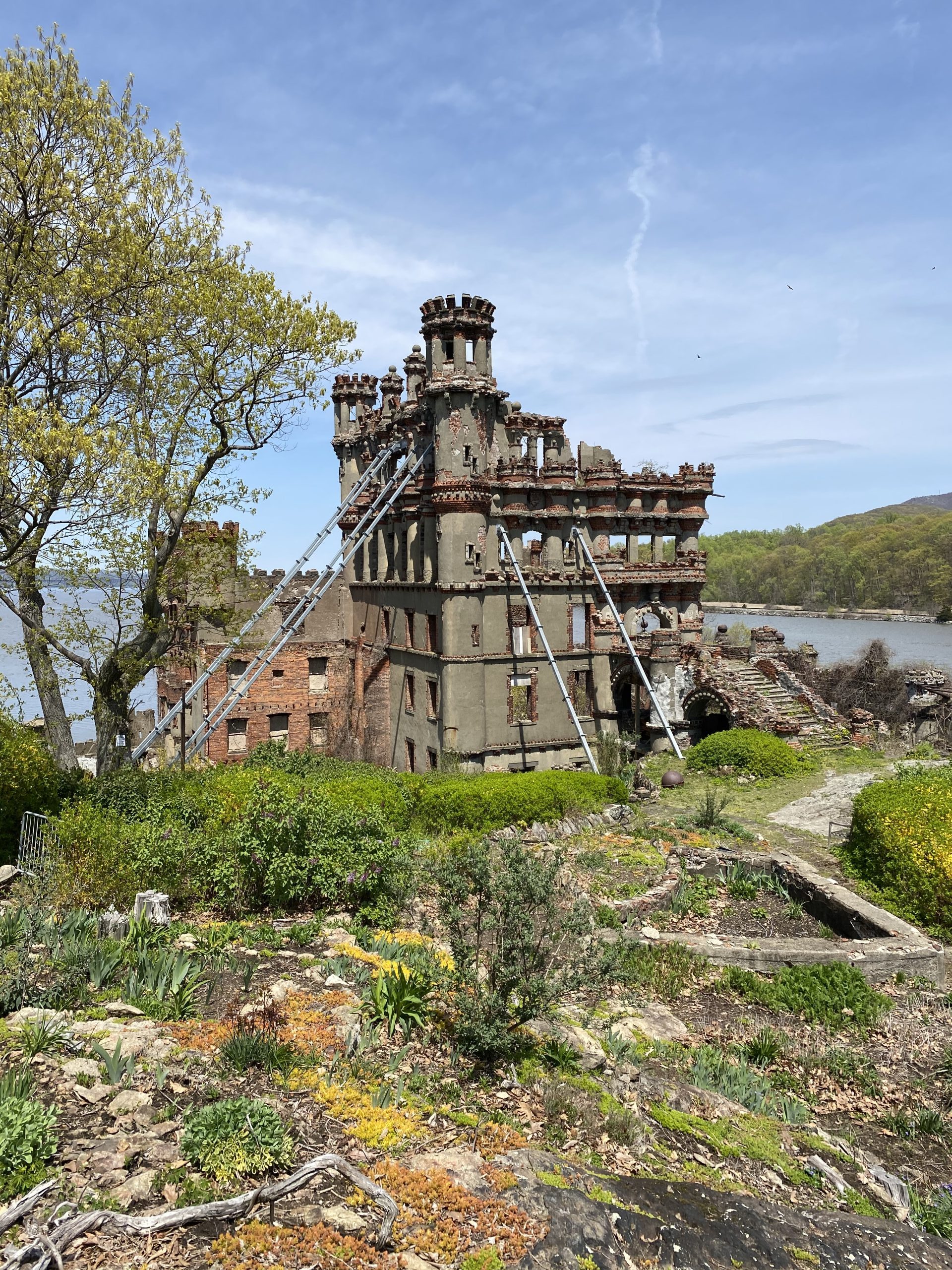
Development and fundraising can also be a full-time role for many organizations. The Bannerman Castle Trust in Beacon has been working tirelessly to raise millions to protect and restore the vulnerable remains of deteriorating walls on the Hudson River island. And the Five Rivers Environmental Education Center outside of Albany has had multiple staff and board members juggling their daily roles with fundraising duties to continue their robust year-round programming. Dedicated Development Staff allow the others to focus on their primary duties.
Programming Staff
Increased visitation year after year can also put a strain on site staff. The Rogers Environmental Education Center in Sherburne has increased their education staff by two over the past 11 rounds by hiring staff devoted to teaching their popular nature programs as well as growing their programming and events through partnerships in the community with the local indigenous tribe via their newly created Community Engagement Coordinator position.
The bustling Walkway Over the Hudson expanded its staff by adding a Community Program Supervisor. The increased programming resulted in record-breaking event attendance and merchandise sales that exceeded initial projections. By successfully integrating youth employment and strengthening its partnership with NY State Parks, Friends of the Walkway has enhanced its financial sustainability and community impact.
The Future of PTPG
As we look forward into the next decade of Park and Trail Partnership Grants, we continue to advocate for increased PTPG funding to not only fund new positions, but also cover rising employment costs. PTPG is about more than improving infrastructure and programming. Dedicated, long term staff create stability and allow these sites to grow and welcome more and more visitors each year.