
2026 marks 10 years of funding projects through the Park and Trail Partnership Grants program. Each month we will highlight a new project from the 270+ over the past decade.
Food is one of the most universal parts of life. From the earliest days of humanity to today, it has always been essential not just for survival, but as something that connects people across age, culture, and socioeconomic background. The work of the Friends of Ganondagan State Historic Site in Central New York recognizes just how powerful food can be as a cultural connector.
Their mission reflects this idea: “To honor and promote Haudenosaunee history and culture and to strengthen traditions through inspirational and transformational programming and other activities at Ganondagan.”
In 2016, the nonprofit organization looked for ways to expand its programming by highlighting the importance of Iroquois White Corn. They applied for a Park and Trail Partnership Grant during the program’s second round and were awarded $19,000 to hire a program assistant. The goal was to develop interpretive programs and events that explored Iroquois White Corn from agricultural, cultural, and culinary perspectives.
A recent call with Meg Joseph, the Executive Director of the Friends of Ganondagan, revealed just how much has grown from that initial effort. Over the past decade, “The White Corn Project” has sparked an impressive range of programs, partnerships, events, and volunteer opportunities.
Iroquois White Corn (“The Sustainor”)
According to the Friends’ 2016 grant application, Iroquois White Corn was:
“grown in abundance at Ganondagan, and used as food and in ceremony until 1687, when the town was destroyed—is an integral part of Seneca and Haudenosaunee (Iroquois) culture. Dating back over 1,400 years, Iroquois White Corn is an heirloom, non-GMO seed, low in sugar and high in fiber and nutrients. Friends of Ganondagan’s Iroquois White Corn Project has grown, processed and created recipes as a way to reintroduce this healthy, Indigenous food back into the Native community and the community at large, in both traditional and contemporary ways.”
Often referred to as “The Sustainor,” white corn is significantly more nutritious than the sweet corn commonly found in today’s diets. The Iroquois White Corn Project highlights this nutritional value while also emphasizing food sovereignty, building its programming around community, culture, and well-being.
The Project
The Iroquois White Corn Project is an educational initiative designed to immerse visitors in Seneca and Haudenosaunee culture through the lens of traditional agriculture and cuisine. Its hands-on, interactive approach helps deepen public understanding of Indigenous history as well as contemporary life.
Even after the initial grant funding was spent, the program continued to build on its success and expand in the years that followed. Some of the highlights that have grown out of the project include:
Hands-on Traditional Activities: Programs such as husking bees, hardwood ash washing, corn pounding, and sifting demonstrate both the labor involved in corn production and the strong sense of community that traditionally surrounded it.
Culinary Education: Cooking classes, tastings, and community meals showcase the versatility of white corn and introduce participants to both traditional and modern recipes.
Expert Engagement: Many events are led by Native chefs, farmers, Elders, and language specialists to ensure authentic interpretation and the preservation of cultural knowledge.
Diverse Audiences: The initiative draws a wide range of participants, including tourism groups, academic institutions, culinary enthusiasts, and members of the Haudenosaunee Nations.
Together, these programs create what organizers describe as a “cultural entryway,” giving visitors the opportunity to learn about the deep relationship between the Haudenosaunee people and the corn that has sustained them for generations.
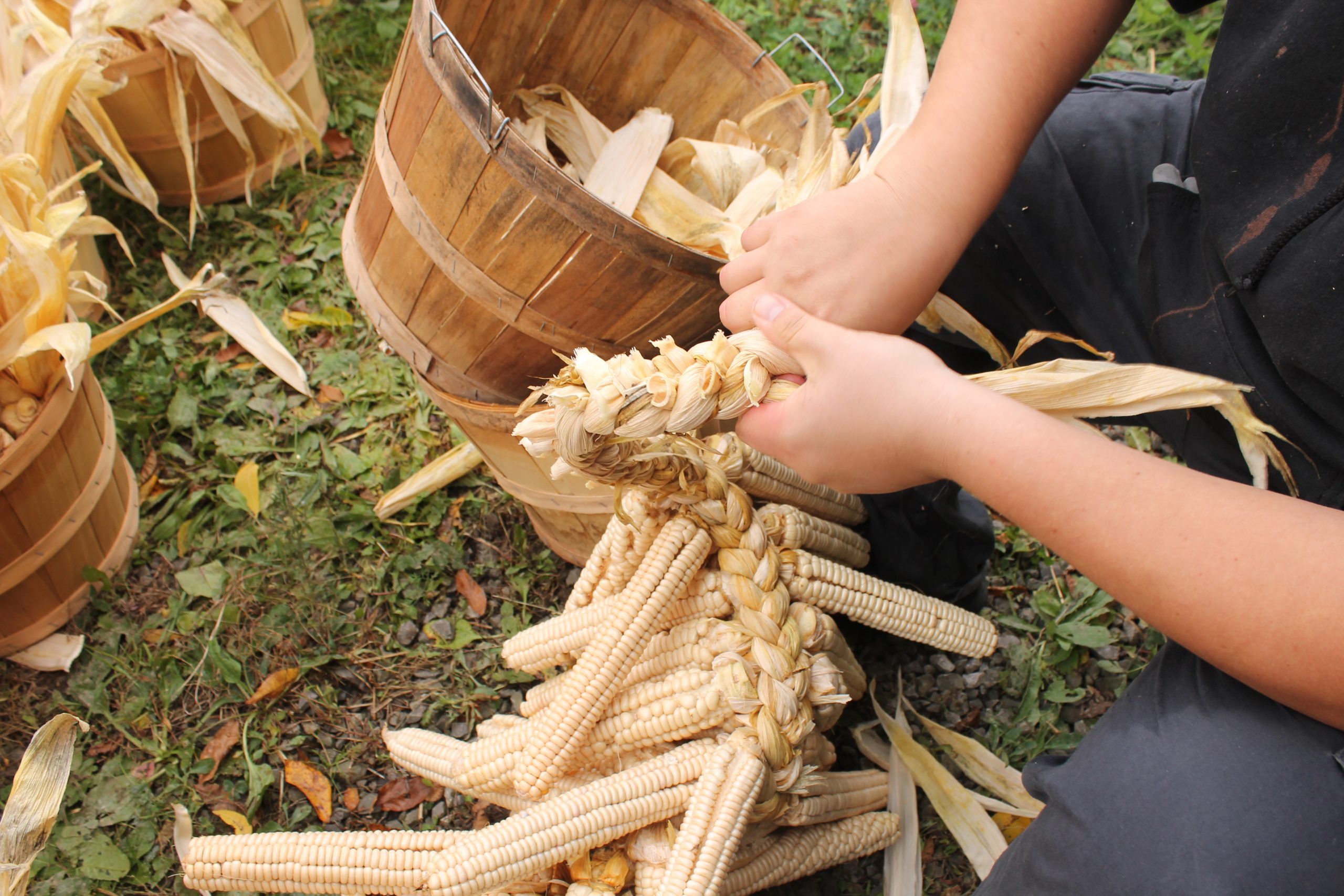
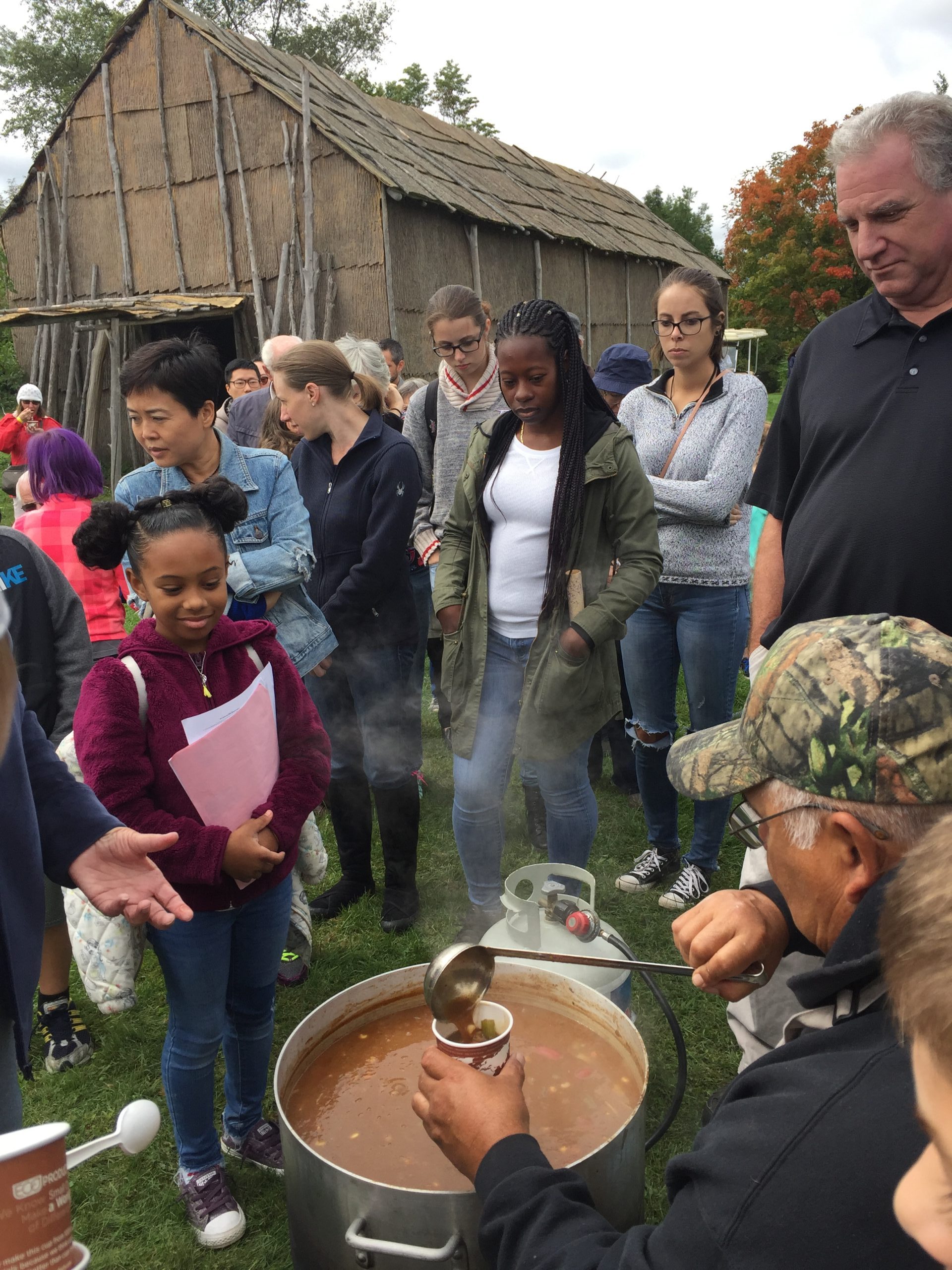
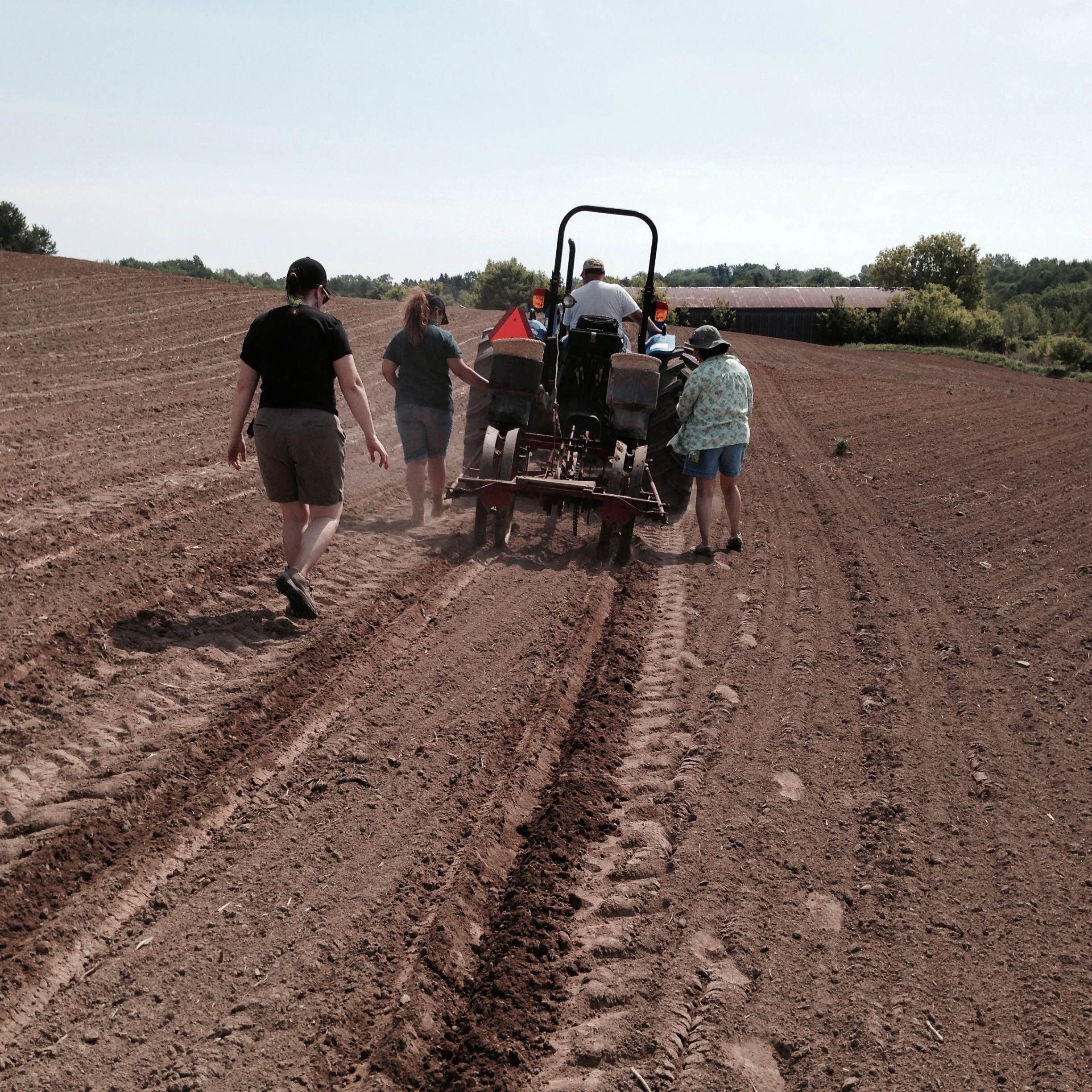
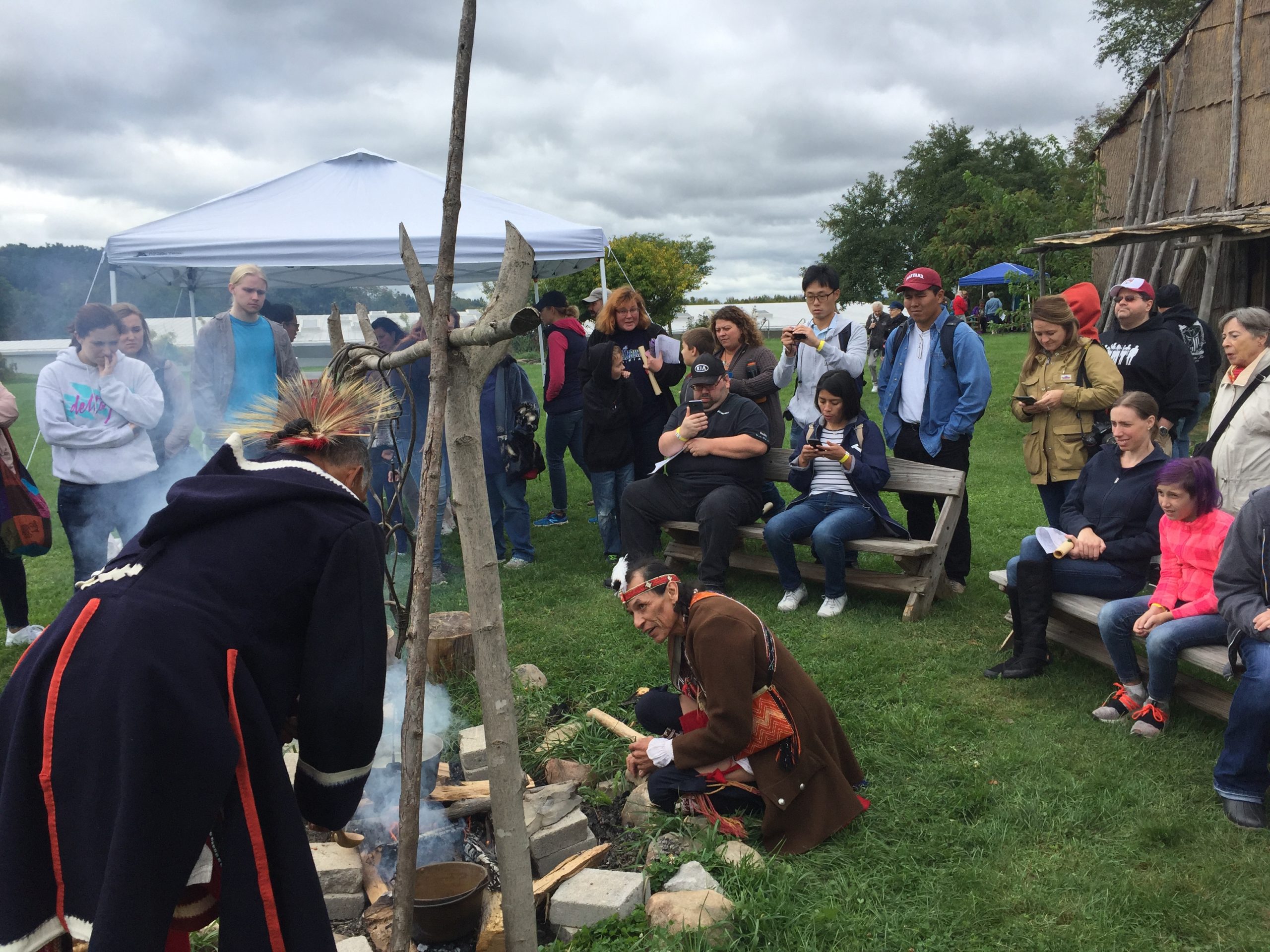
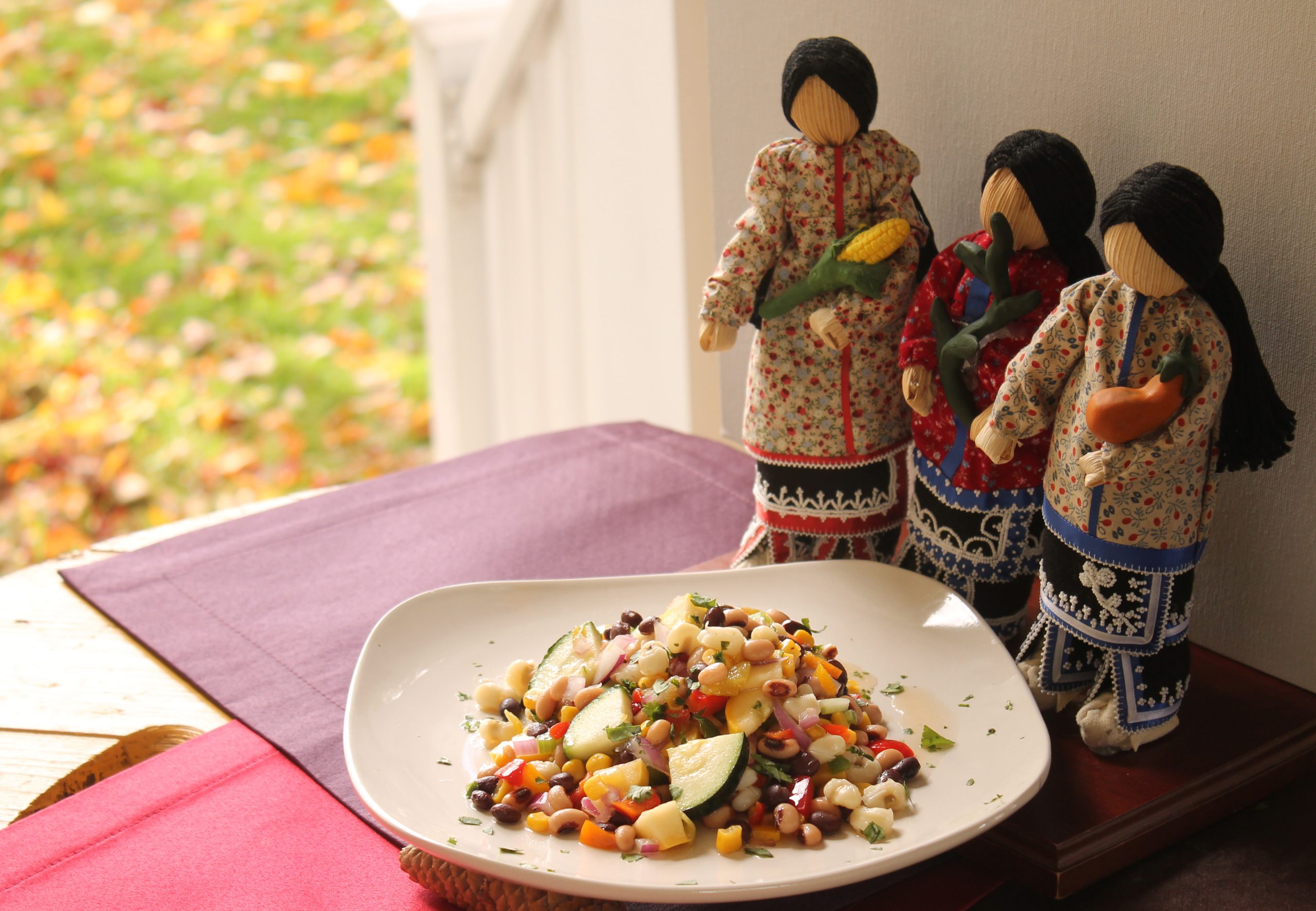
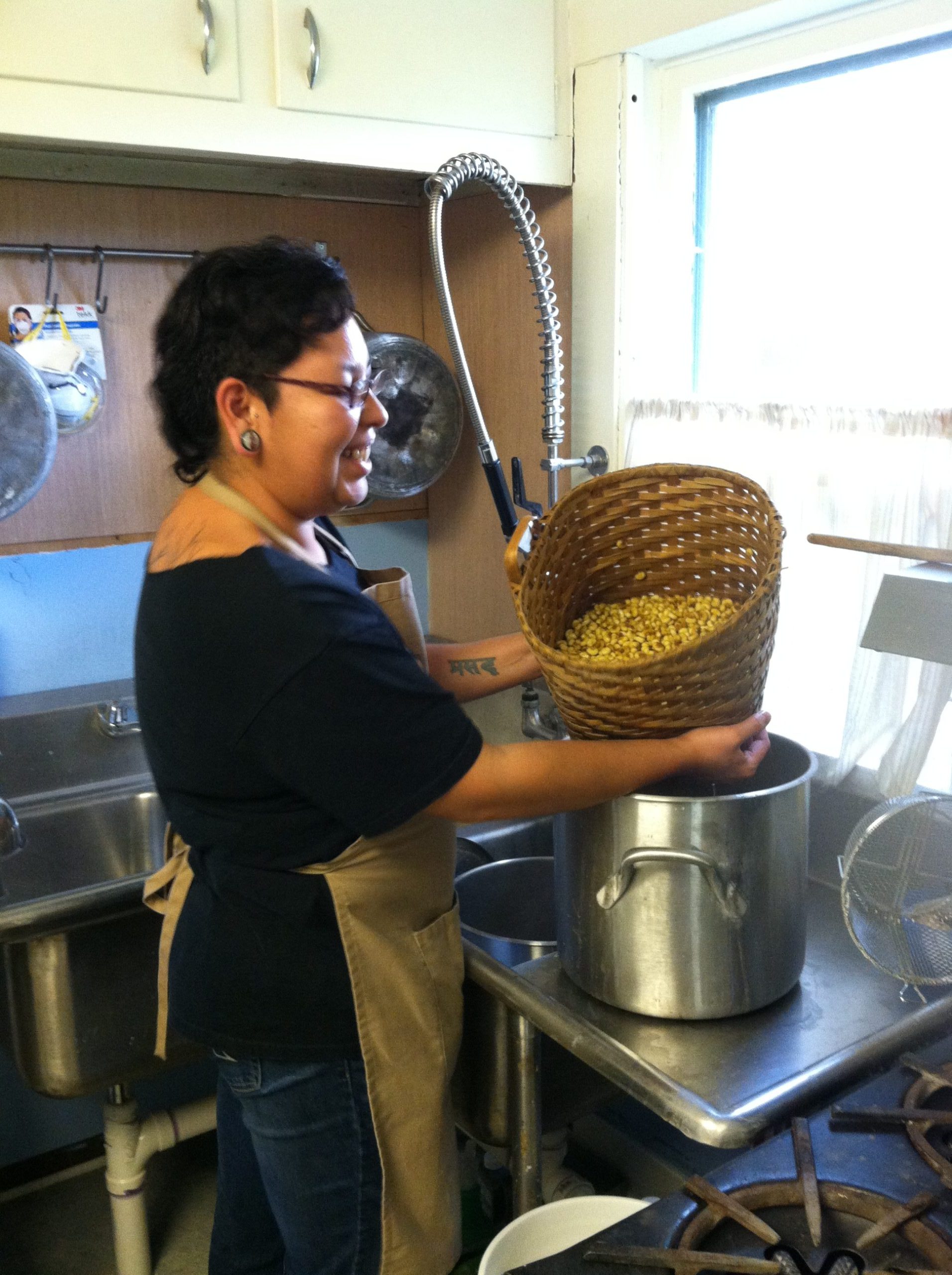
Over time, the project has expanded far beyond educational programming and continues to attract visitors to the site today. In its first year alone, attendance at the Native American Winter Games doubled. The event featured outdoor cooking demonstrations and tastings, with dishes such as Iroquois White Corn bison stew and traditional fish.
The project has also had a major impact on community engagement. Each year it reaches about 5,500 students through roughly 20 educational programs and helps bring around 50,000 visitors to Ganondagan.
Today, the Friends of Ganondagan continue to build on the project’s success. Youth training programs teach corn processing skills while also helping students develop professional habits like time management. The organization partners with local BOCES programs to provide cultural immersion and professional development opportunities for teachers.
At the site itself, teaching and learning gardens allow volunteers to take part in activities like corn shelling while participating in educational programming. Additional initiatives include health and wellness programs and special member events at the gift shop.
The project’s influence has even extended beyond the region. International visitors have participated in workshops such as tamale-making, while the site has become a gathering place for Native American studies programs, Indigenous chefs, the Seneca Nation, and universities from across the country. Together, they exchange knowledge about both traditional practices and contemporary Indigenous cuisine.
For more information about the Friends of Ganondagan, Ganondagan State Historic Site, and the White Corn Project, visit:https://www.ganondagan.org/