

The places we love to explore are always growing.
Across the state, familiar places are gaining ground. Park boundaries are expanding to protect more of the landscapes people love. Trail projects are filling gaps that have long interrupted popular routes.
Here are seven places where that progress is taking shape.
Minnewaska State Park Preserve Is Adding 440 Acres
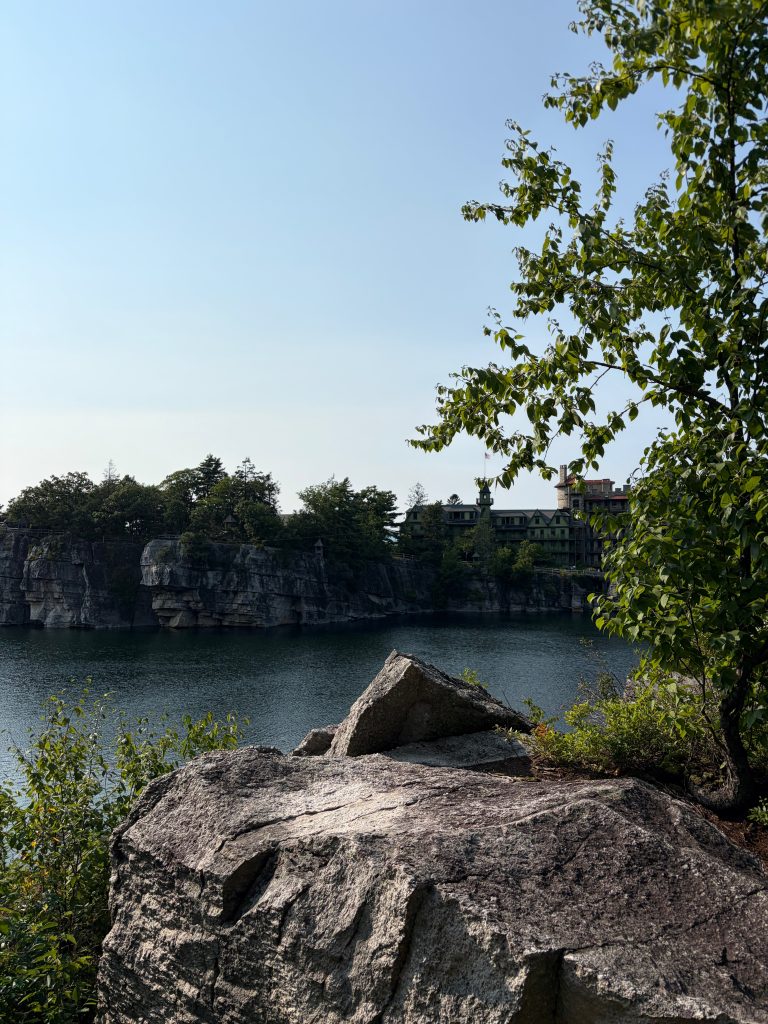
The Open Space Institute recently acquired 440 acres at Mount Cathalia in the Hudson Valley, with plans to transfer the property to New York State for inclusion in Minnewaska State Park Preserve. The addition will bring the preserve to roughly 24,000 acres and connect two previously separated sections of protected land.
Mount Cathalia has a story of its own. The property was once home to a Chinese American-owned ski resort founded by Joseph Tso in the 1950s. Today, its forests and mountain landscape provide important habitat and protect water resources in the region.
The property isn’t open to the public yet while the transfer moves forward, but the project will create a stronger connection between existing parklands and eventually another place to explore in one of New York’s most popular landscapes.
Caumsett State Historic Park Preserve Gains 180 Acres
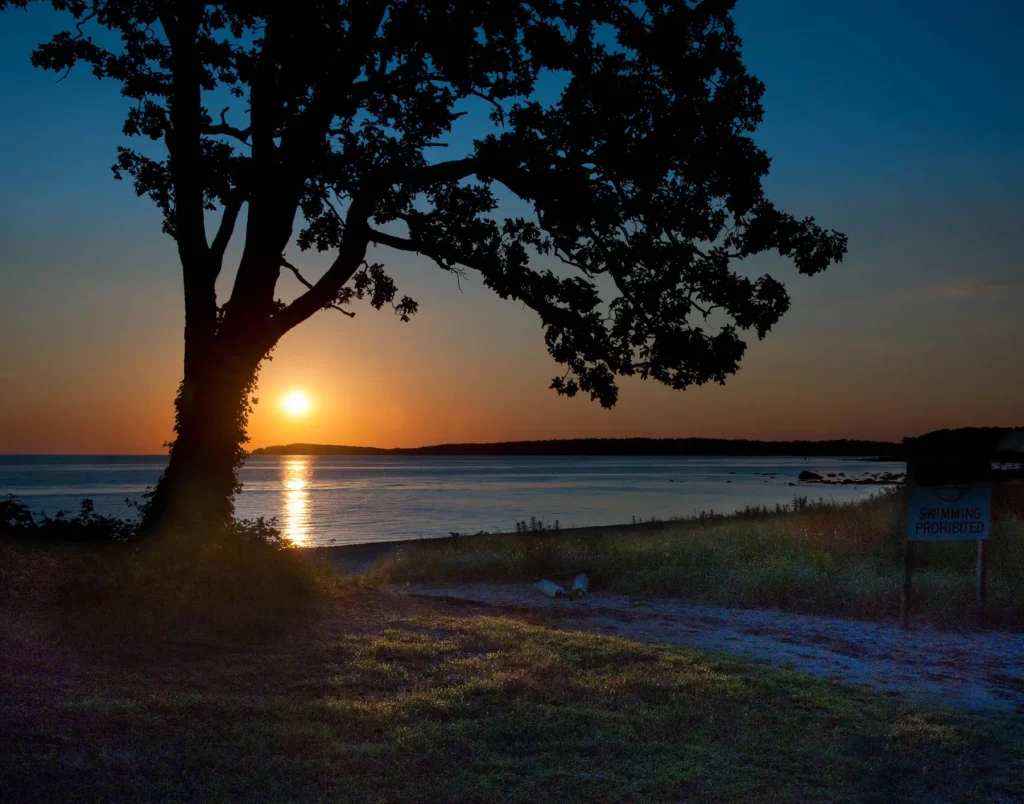
New York State acquired 180 acres for the park, bringing Caumsett to approximately 1,680 acres. The property includes forest, wetlands and coastal bluffs along Lloyd Neck Harbor, including more than 12 acres of estuarine and marine wetlands.
The expansion protects a vulnerable coastal landscape from development while creating opportunities for future public recreation. Plans call for trails and places where visitors can experience views of Lloyd Harbor Inlet.
It’s a good example of why protecting land for parks matters. Once a landscape is developed, opportunities to preserve it are gone. Protecting it now gives New Yorkers a chance to enjoy it for generations.
Clarence Fahnestock State Park Adds 93 Acres
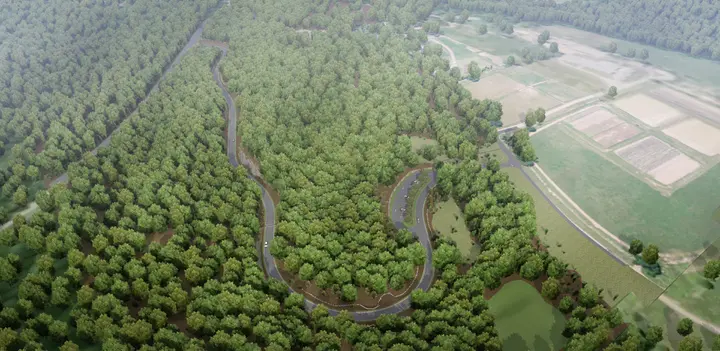
This 93-acre expansion protects a forested property in the Hudson Highlands, including one of the area’s higher points at more than 1,000 feet above the surrounding landscape.
For a park already known for outdoor recreation, the addition creates room for the park to evolve while keeping the land protected. It also preserves habitat in a region where undeveloped forest is increasingly valuable.
Saratoga Spa State Park Gets 79 Acres Bigger
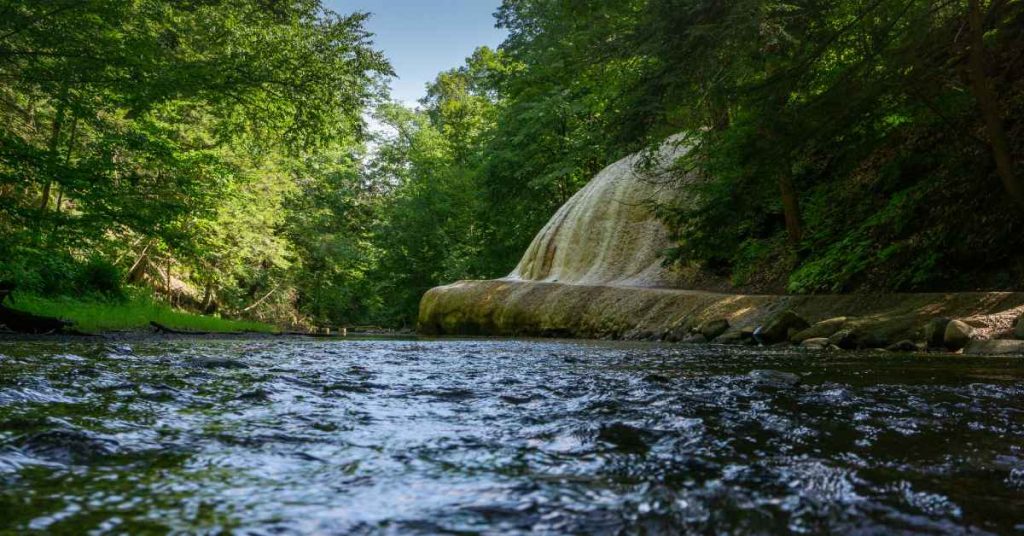
Saratoga Spa State Park has long been one of the Capital Region’s best-known places to spend a day outside. Now there’s a little more of it.
New York State acquired 79 acres to expand the park, protecting forest and wetlands that provide habitat for wildlife and help preserve the character of the surrounding landscape.
The addition may not dramatically change a visitor’s next trip to Spa State Park. That’s part of what makes it meaningful. Protecting land today gives the park more possibilities tomorrow.
And for a state park with such a rich history, there’s something fitting about continuing to add to its story.
The Genesee Valley Greenway Is Closing the Gaps
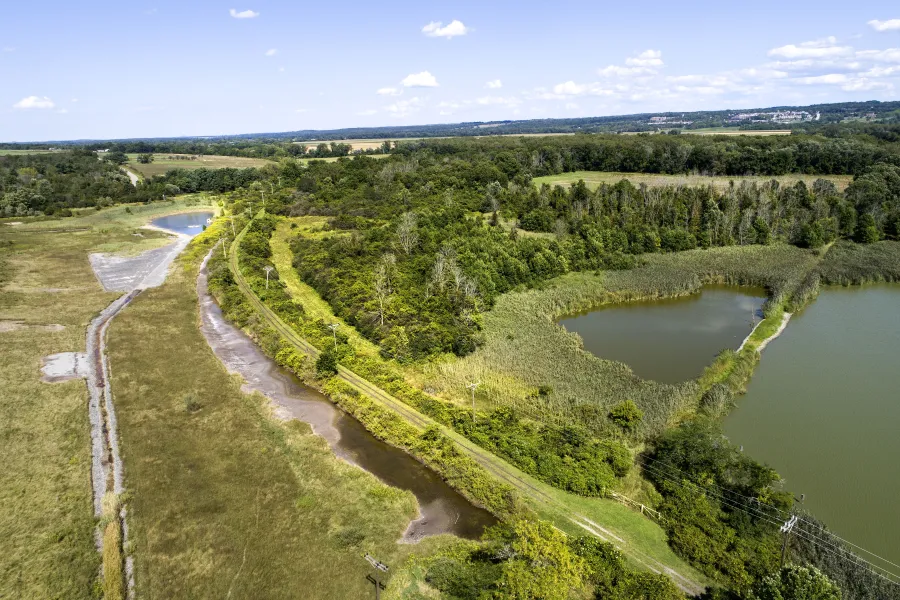
Along the Genesee Valley Greenway, four new bridges are being constructed in Allegany County. When the project is complete, approximately 22 miles of the Greenway will be continuous, eliminating detours that currently send trail users onto Route 19.
The $6.25 million project will improve connections between several communities along the trail. For people riding or walking the greenway, it means spending more time on the trail and less time navigating around missing infrastructure.
It’s also a reminder that trail connectivity is about more than convenience. A continuous trail can make a route safer, help people travel between communities and support the businesses that benefit from trail users.
The Harlem Valley Rail Trail Keeps Moving Toward 46 Miles
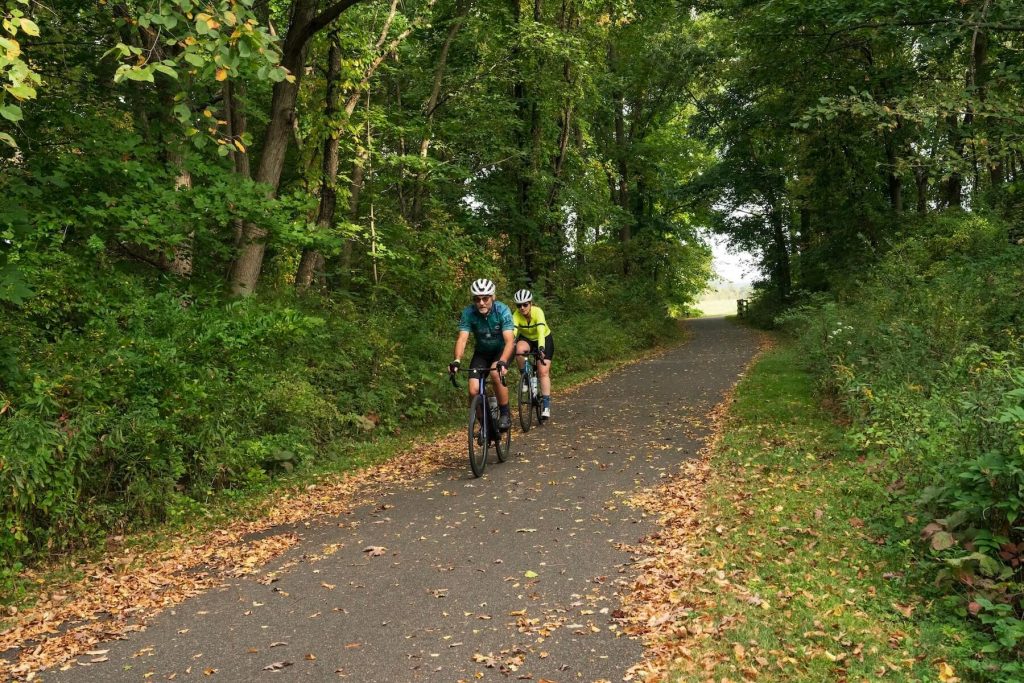
A new one-mile section between Copake and Hillsdale is moving forward with $2.5 million in state funding. The project will cross Route 22 and connect existing trailheads, bringing the contiguous trail to approximately 26.5 miles when complete
The ultimate goal is a 46-mile trail connecting Wassaic and Chatham.
That missing mile matters. Filling a gap can turn a collection of trail segments into a much more useful route, giving cyclists and walkers a continuous way to experience the landscape and reach the communities along it.
Protecting Moreau Lake State Park’s Neighbors
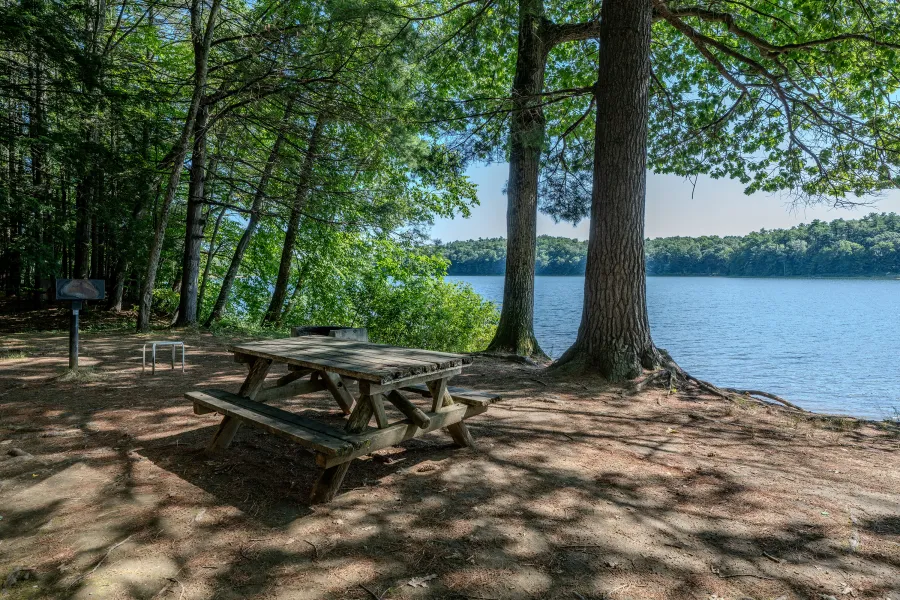
Growth doesn’t always mean changing a park’s boundary.
Near Moreau Lake State Park, Saratoga PLAN recently protected 81 acres of forestland through a conservation easement. The property creates a protected buffer around the state park and is part of a larger landscape containing more than 5,400 acres of connected protected forest.
The land won’t become part of Moreau Lake State Park, but its conservation strengthens the landscape surrounding the park. It helps protect wildlife habitat and water resources while preserving the scenic character of the area.
Protecting New York’s Parks Is Just the Beginning
Protecting public land is where the work starts, not where it ends.
A conserved property isn’t much of a public resource if people can’t safely reach it. A trail can’t connect communities if a missing bridge forces people onto a busy road. And a park can’t serve the next generation if it doesn’t have the infrastructure to welcome them.
There is still more work to do. At PTNY, we’ll keep advocating for the funding and policies that allow New York to protect its public lands while also investing in the places and infrastructure people use to enjoy them.
Because the goal isn’t simply to preserve New York’s great outdoors. It’s to make sure people can experience it.